
Confronting truth in history
Studying the Holocaust requires us to take an unflinching look at the extremes of the human experience.
Studying the Holocaust requires us to take an unflinching look at the extremes of the human experience.

If you’re attempting to measure your child’s Jewish educational progress against the masses, allow me to refer you to Pirkei Avot 5:21, the Sayings of our Fathers.
As Veterans Day approaches, I find myself reflecting on the extraordinary lives of so many Village Shalom residents.
It was wonderful to remove the names of the freed hostages from the list that The Chronicle has published on page two for two years.
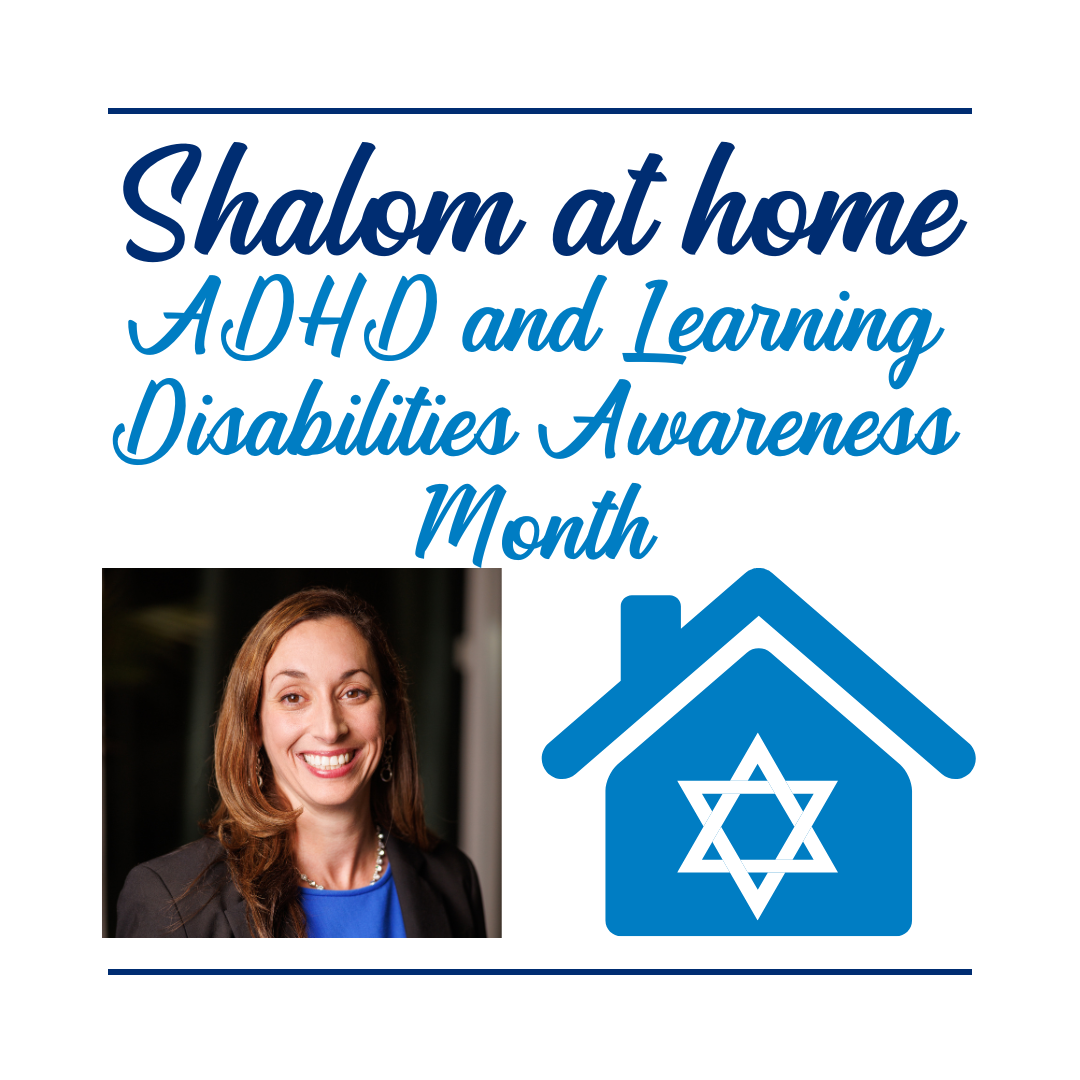
Yes, I know it feels like there’s a month for everything these days, but bear with me. As director of Sasone, our community program that advocates for access and inclusion for the one-in-four individuals with disabilities in Jewish life and learning, and as a mom of three, this month feels especially meaningful.
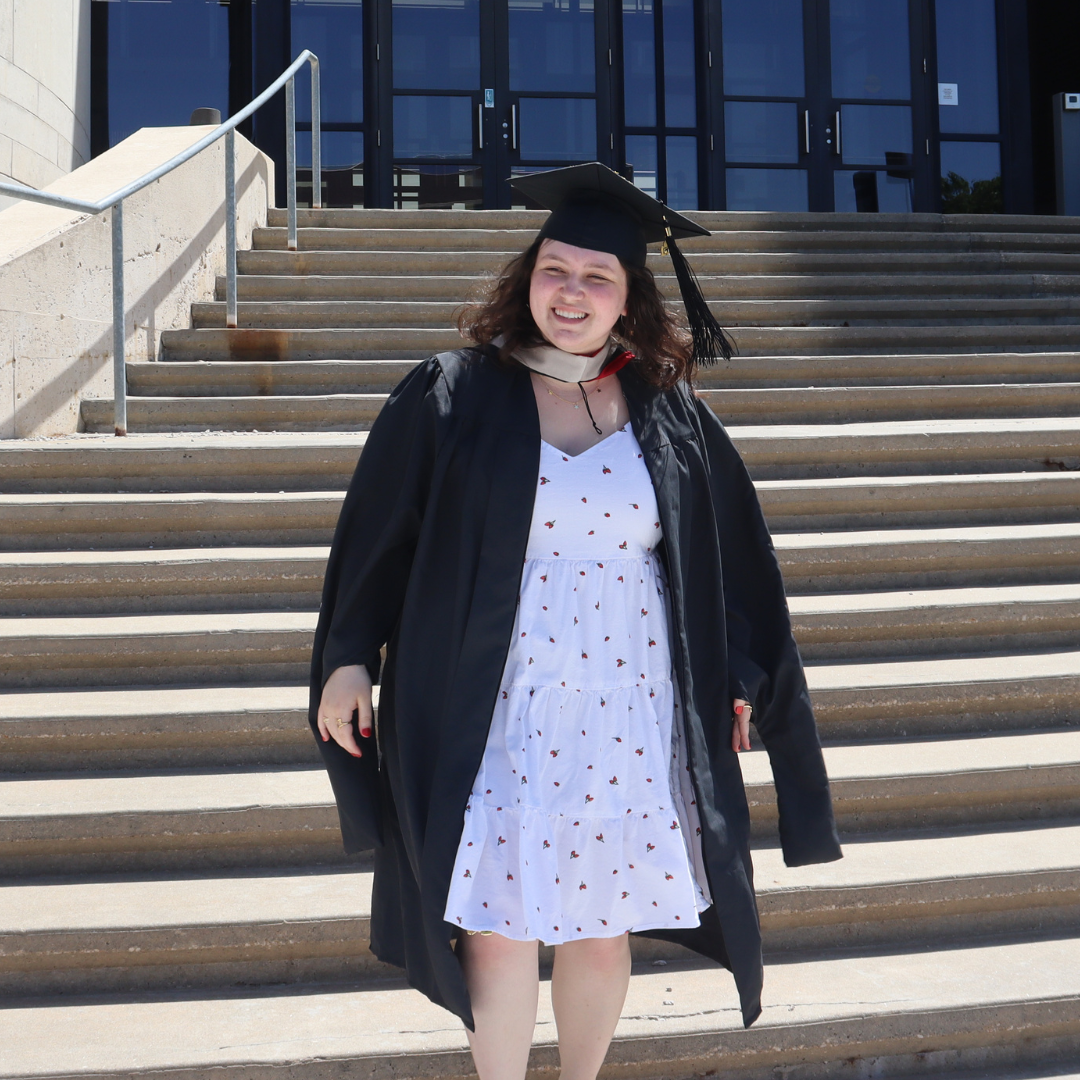
In Judaism, we hold space for joy and despair simultaneously, and The Jewish Community Campus’ social hall is one of the greatest examples I know.
So you didn’t build a sukkah this year.
In an economic and legislative environment full of unpredictability, we encourage you to tap the knowledgeable team at the Jewish Community Foundation (JCF) — perhaps even more than you have in the past.
Corn stalks stood at attention for harvest, but oddly, they looked as if a blow torch had consumed them, leaving burnt skeletal remains of crops, mile after mile.
It is that time of year again, when we are called to do acts of teshuvah, of repentance and return.