


Shalom at Home — An ode to The J
There are times when a place becomes more than just a physical space. It becomes a living, breathing entity.
There are times when a place becomes more than just a physical space. It becomes a living, breathing entity.

Sonia Warshawski, who I didn’t meet until the early 2000s, is one of the most important people in my life.
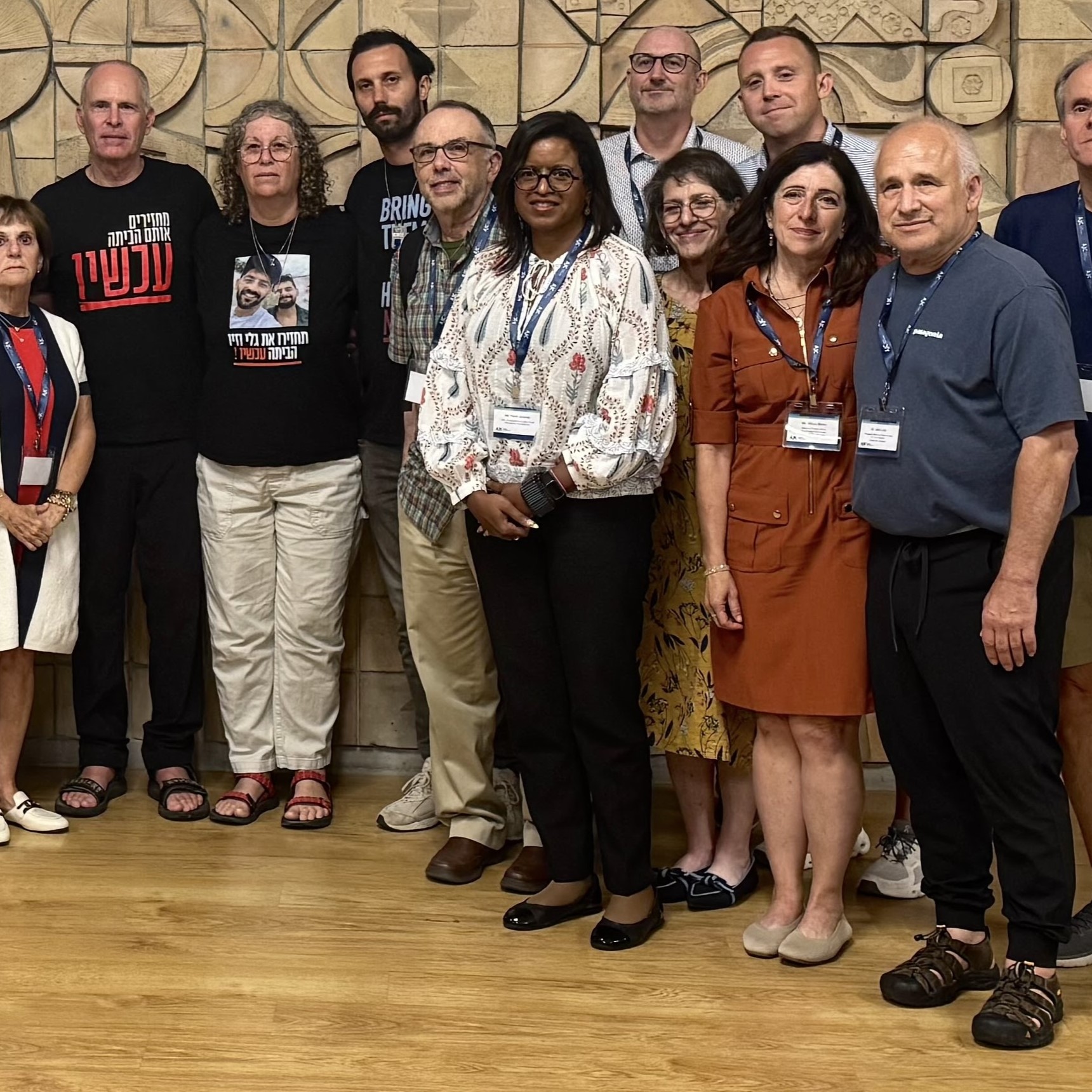
When my husband, John Lorei, and I joined a September American Jewish Committee (AJC) Project Interchange Board Delegation Trip to Israel, we did not anticipate the impact of this firsthand immersion.
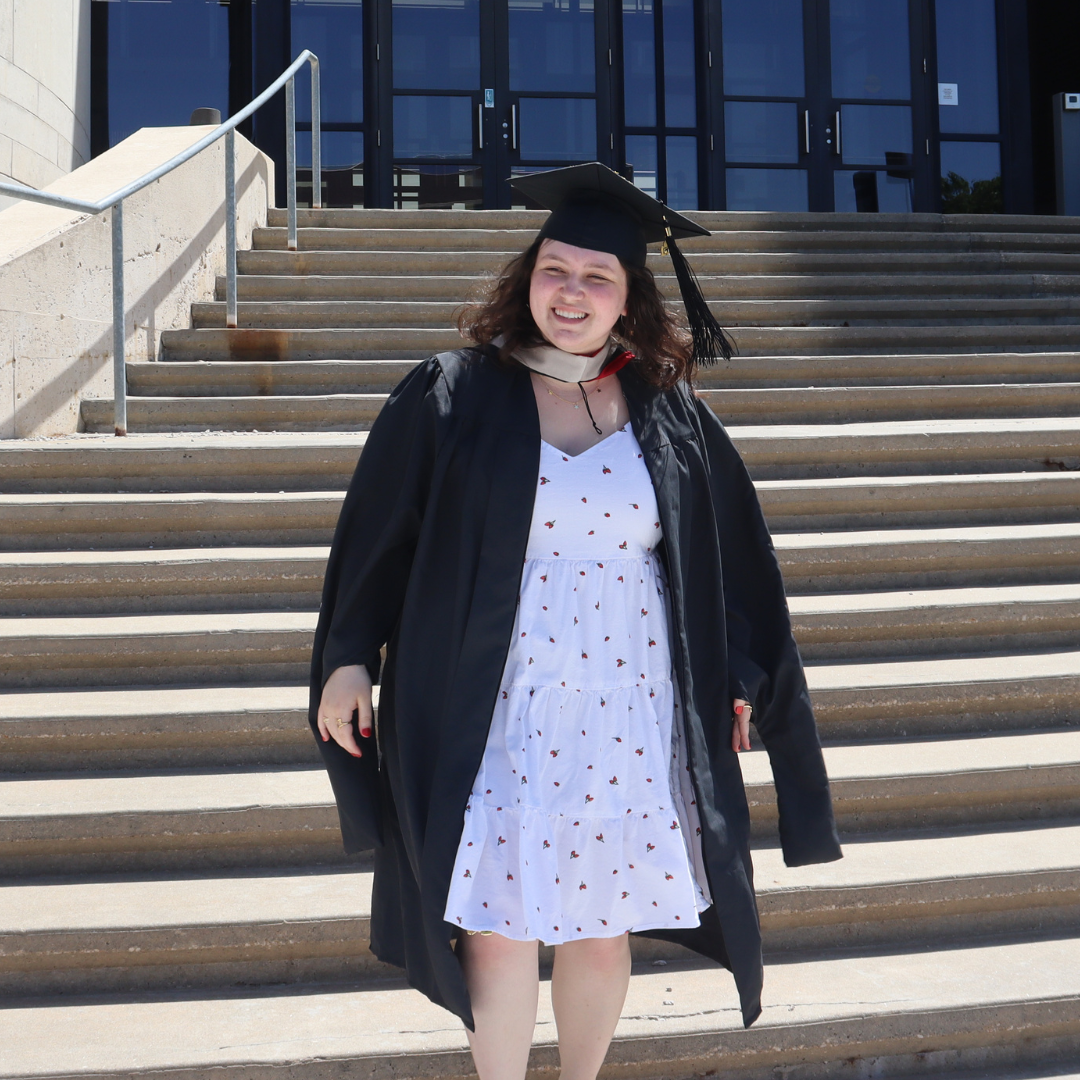
In Judaism, we hold space for joy and despair simultaneously, and The Jewish Community Campus’ social hall is one of the greatest examples I know.
In an economic and legislative environment full of unpredictability, we encourage you to tap the knowledgeable team at the Jewish Community Foundation (JCF) — perhaps even more than you have in the past.
Corn stalks stood at attention for harvest, but oddly, they looked as if a blow torch had consumed them, leaving burnt skeletal remains of crops, mile after mile.

I’m tempted to wrap up the last 12 months of news with a bow and send it on its way, but I will save my news recap for our secular new year’s issue.
We live in such narrow lanes that when serendipity broadens them, we may find we have been given unexpected gifts.
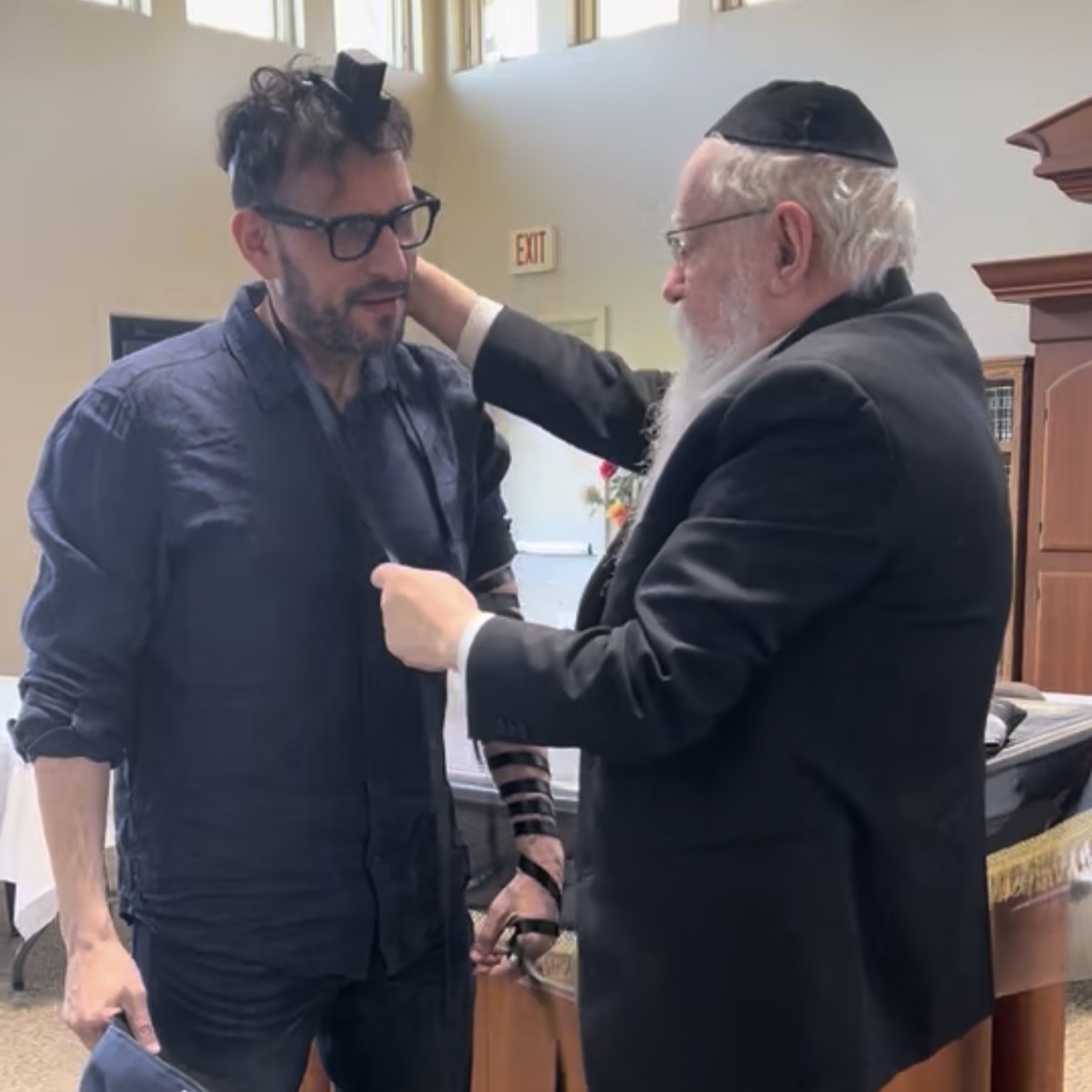
I wasn’t expecting to have a mystical encounter while reporting a story about kosher meals in Overland Park, but as I open the door of the Torah Learning Center (TLC) a few days before Passover, I feel the pull of something sacred draw me inside.
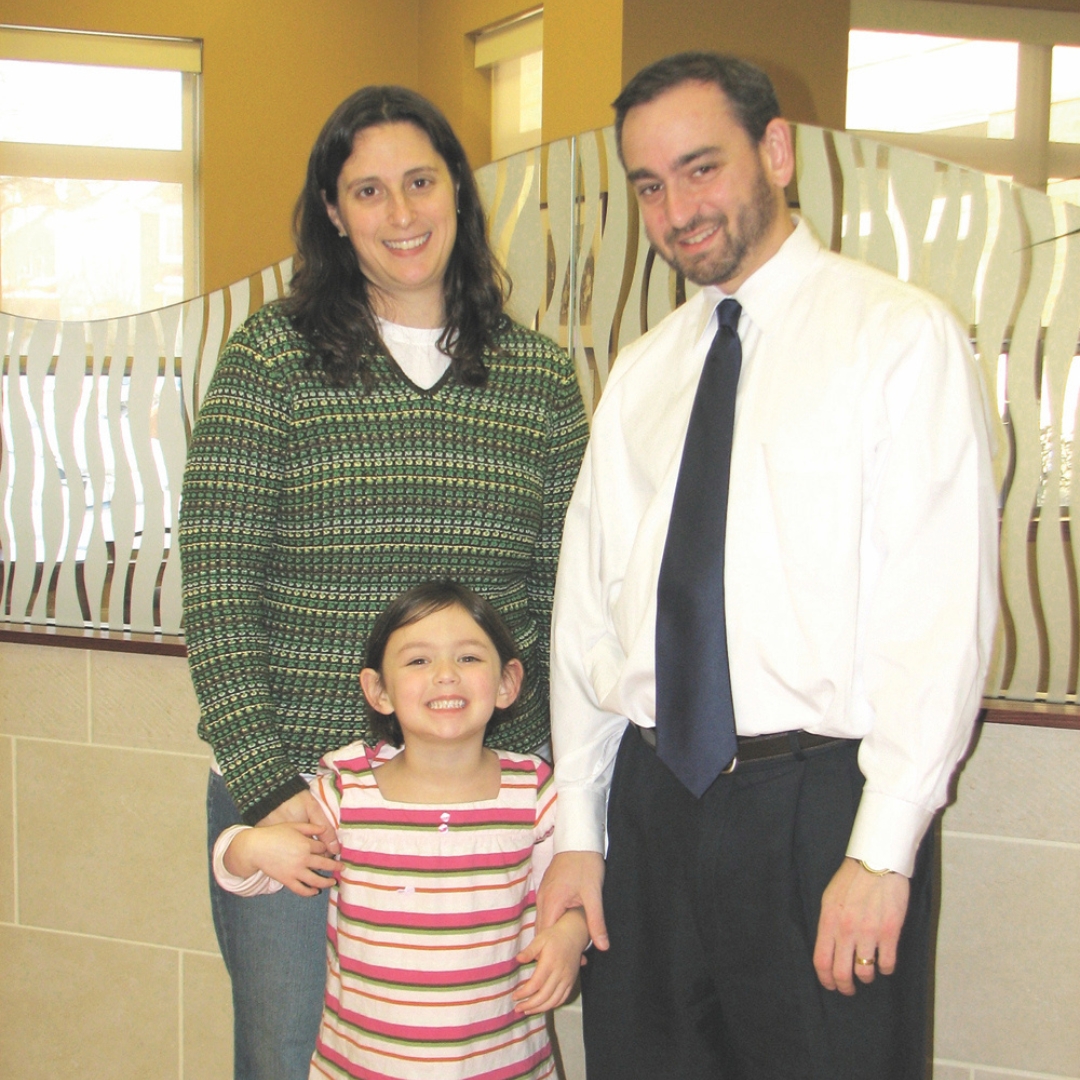
We’re all familiar with the idea of parents’ responsibility to teach their children. When I hear this, I think about mitzvot, the parsha or Jewish morals and ethics, but modern parenting includes so much more.