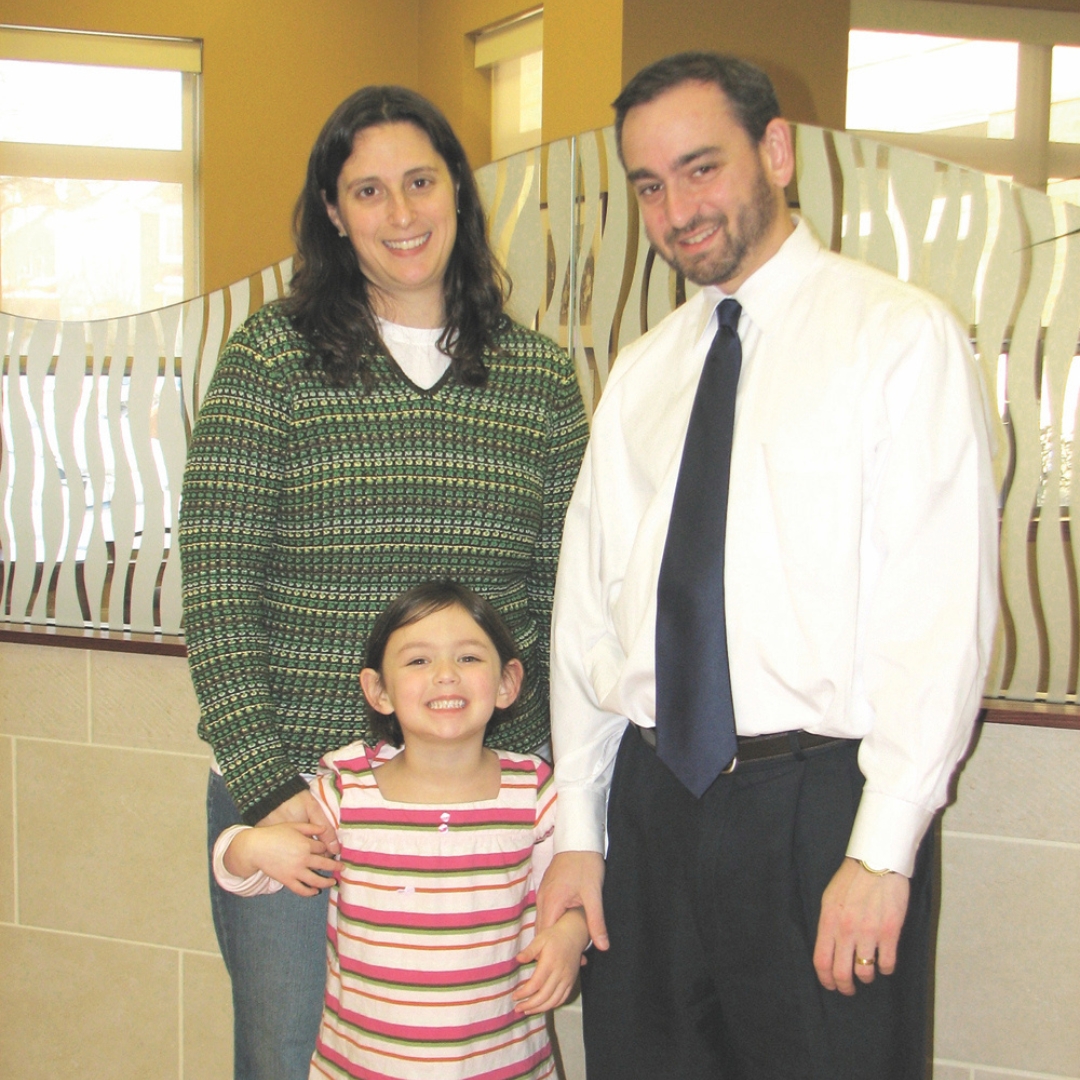
We’re all familiar with the idea of parents’ responsibility to teach their children. When I hear this, I think about mitzvot, the parsha or Jewish morals and ethics, but modern parenting includes so much more.
The Talmud explains that you must teach your child Torah, a trade and to swim. While I was taught these, my parents instilled in me values and knowledge that go further. From basic money principles such as tzedakah, spending and saving as a kid receiving allowance to time management in high school, my parents truly embodied the responsibility of teaching your children and equipping them for life.
When I was little, my mom started a monthly play group at Village Shalom, “Moms & Munchkins Mitzvah Moments,” to bring connections, smiles and play to the residents. She taught me that you can do mitzvot in ways that feel comfortable, natural and personally impactful to you. Rather than just donating money or time to any opportunity that presented itself, she sought out something I enjoyed as a child.
I loved going to Village Shalom so much, in fact, that for my fifth birthday, I had my party there and invited residents! In an interview with The Chronicle, five-year-old me is quoted saying, “I decided I want to help people… I was helping make the people who live [at Village Shalom] feel better. It makes the older people happy when the kids come.”
One of the most infuriating lessons my mom taught me was empathy. Most elementary-aged students run into mean classmates or friends that insult you on occasion, but how my parents handled it shaped my perception of them — not a bully, but rather a person making bad choices. One child in my class started insulting me, and becoming more rude and irritable than ever.
I went to mom and told her what was going on. Rather than tell me to ignore him or tell my teachers, my mom told me that sometimes, the people who act out are facing hidden challenges you don’t know about. Lo and behold, a week later, I found him crying in the hallway and listened as he told me his dad often worked late and he missed being picked up by his parents. I was always jealous of seeing his grandma’s novelty license plate with his name on it everyday at pickup, but my mom was right. He was just a kid facing unfair circumstances, and that translated to mean words.
When I was 15, I took driver’s education. The in-class portion of the program lasted about two days, so I went in assuming that was the extent of it. However, I came to find out that there were test-outs every other week on different courses such as roundabouts, highways, etc. I informed the instructor that I would be leaving for summer camp in a week and would be gone for two months. Hesitantly, he suggested signing up for a test-out every day of that week and completing the final one after I got back from camp, if needed.
Every day that week, my dad spent several hours practicing the routes with me, took me to the test-out midday and then spent several more hours practicing the next day’s routes. He sacrificed the entire work week to show me it was possible to pursue all of the things I wanted that summer — the ability to drive and the experience of Jewish sleepaway camp. Along with the knowledge of how to drive, I acquired countless new memories and inside jokes.
This summer, I finished my last semester of graduate school and earned my Master of Science in project management. My final class was a finance class. Math has never been my strong suit, and this class was much more challenging than I expected.
My dad, a financial advisor, sat with me for three hours a day, two-to-three days a week, teaching me Excel shortcuts and giving me real-world examples of the concepts in my textbook. Not only did this teach me the finance principles from my class, but it also taught me how to ask for help when you need it and how to persevere through challenges you feel ill-equipped for.
So next time you’re down on yourself because you didn’t find time in your family’s busy schedule this week for Torah study or swim lessons, appreciate all the other small lessons you taught through your attitudes and actions. Find the things your child is passionate about and help them use that interest or those skills to help others. And if you’re ever looking for a multigenerational birthday party venue — look no further than Village Shalom.