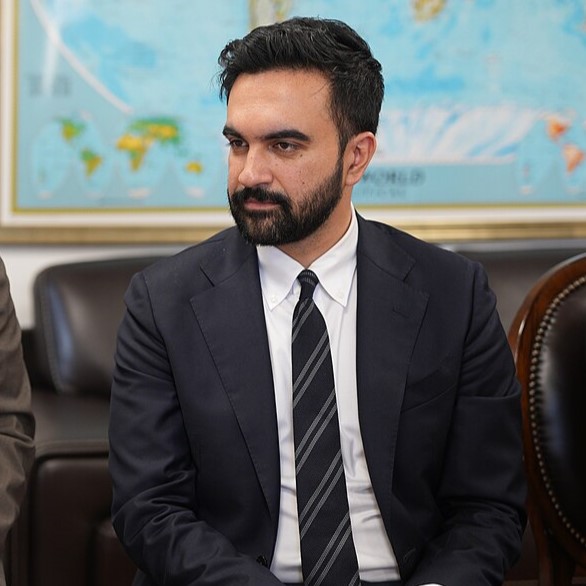
Five local rabbis across denominations have signed “A Rabbinic Call to Action: Defending the Jewish Future,” a letter condemning the “political normalization” of anti-Zionism, using New York City mayoral candidate Zohran Mamdani as an example.
The letter was created by The Jewish Majority, an organization combating “fringe groups [that] weaponize the Jewish identity of some of their members to call for policy recommendations that are rejected by the overwhelming majority of the Jewish community.”
Among the more than 1,000 signatories are Rabbis David Glickman (Congregation Beth Shalom), Moshe Grussgott (Kehilath Israel Synagogue), Stephanie Kramer (The Temple, Congregation B’nai Jehudah), Alan Londy (New Reform Temple’s rabbi emeritus) and Samuel Stern (Temple Beth Sholom in Topeka, Kansas). The Reform, Conservative and Traditional/Orthodox denominations are represented both in the local and national signatories.
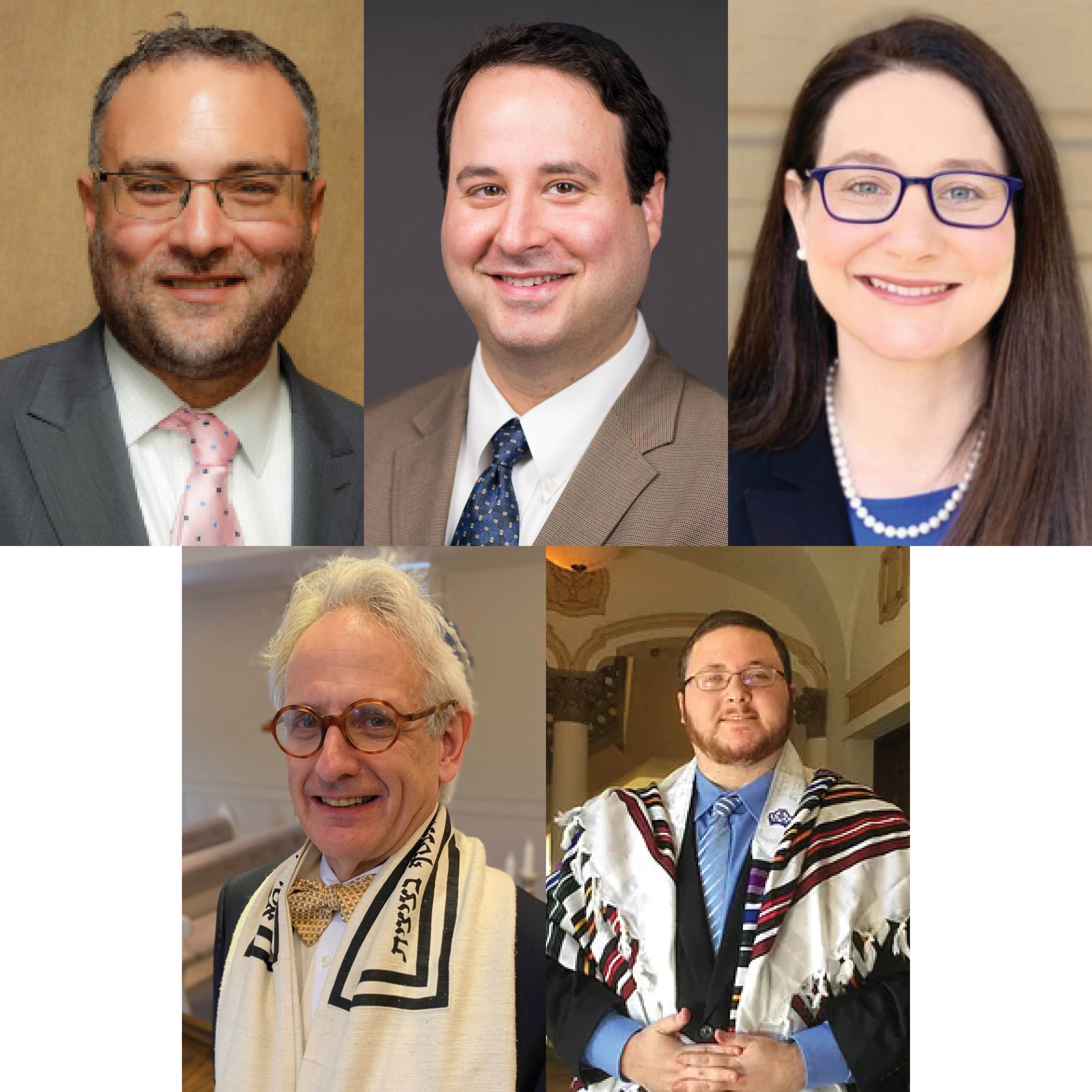
Local Rabbis David Glickman, Moshe Grussgott, Stephanie Kramer, Alan Londy and Samuel Stern have signed a letter condemning the “political normalization” of anti-Zionism.
“When public figures like New York mayoral candidate Zohran Mamdani refuse to condemn violent slogans, deny Israel’s legitimacy and accuse the Jewish state of genocide, they, in the words of New York Board of Rabbis president Rabbi Ammiel Hirsch, ‘Delegitimize the Jewish community and encourage and exacerbate hostility toward Judaism and Jews,’” the letter reads.
Mamdani is the frontrunner in the New York City mayoral race, despite current Mayor Eric Adams endorsing his opponent, Andrew Cuomo. The majority of polls compiled by The New York Times puts Mamdani ahead of both Cuomo and candidate Curtis Sliwa by a wide margin.
“Zohran Mamdani is a talented politician. His campaign has successfully elevated many critical affordability issues for New Yorkers. Mamdani is also an unapologetic anti-Zionist,” Rabbi Glickman said. “Anti-Zionism is different than criticism of actions of the Israeli government. Many U.S. elected officials (and many Jewish clergy members) are critical of the actions of the Israel government… Mamdani’s candidacy is a national signal that anti-Zionist views should be mainstreamed for American elected officials.”
Outside of Tel Aviv in Israel, New York City is the city with the largest number of Jews in the world. Rabbi Grussgott, who was a rabbi in New York City for more than a decade, is concerned about the likelihood of Mamdani winning and its effect on Jewish Americans.
“It is frightening to think that the city with the largest Jewish population in America will likely be governed by a man who is anti-Jewish,” he said. “The game he plays is to say that he's not antisemitic, only anti-Israel — but there is no such distinction. Half the world's Jews live in Israel, and the vast majority of the other half have close personal and emotional ties to it. Mamdani cannot even bring himself to condemn the call to ‘Globalize the Intifada,’ which means to target Jews everywhere. If this is allowed to be normalized in America's largest city, then it certainly affects all other Jews in America as well.”
Rabbi Stern is also concerned about the potential repercussions of Mamdani’s positions and rhetoric.
“Anti-Zionism isn’t a foreign policy stance, it’s a moral failure that singles out the Jewish people for exclusion from the family of nations and erodes the safety and dignity of Jews everywhere,” Rabbi Stern said. “When a politician wins by pandering to anti-Zionist sentiment, it normalizes hostility toward Jews who see Israel as part of their identity. What happens in New York City doesn’t stay in New York. The cultural and political trends that begin there inevitably ripple out across the country, shaping how Jewish communities in places like Kansas City are perceived and treated. We can’t afford to ignore that.”
Rabbis are not the only community leaders concerned about anti-Zionism. In a recent interview with The Chronicle, Neta Meltzer, the executive director of the Jewish Community Relations Bureau | American Jewish Committee, explained the implications of anti-Zionism spreading.
“If there is a distinction between antisemitism and anti-Zionism in theory,” she told The Chronicle, “it’s not translating in practice. Things that are happening on the other side of the world are having a direct impact on the safety and security of Jews right here in this community.”
Early voting has begun in New York City, and polls close on Nov. 4.